Tracing enthusiast network data flows to uncover availability shifts for authenticated debut mementos across overlooked digital barter hubs
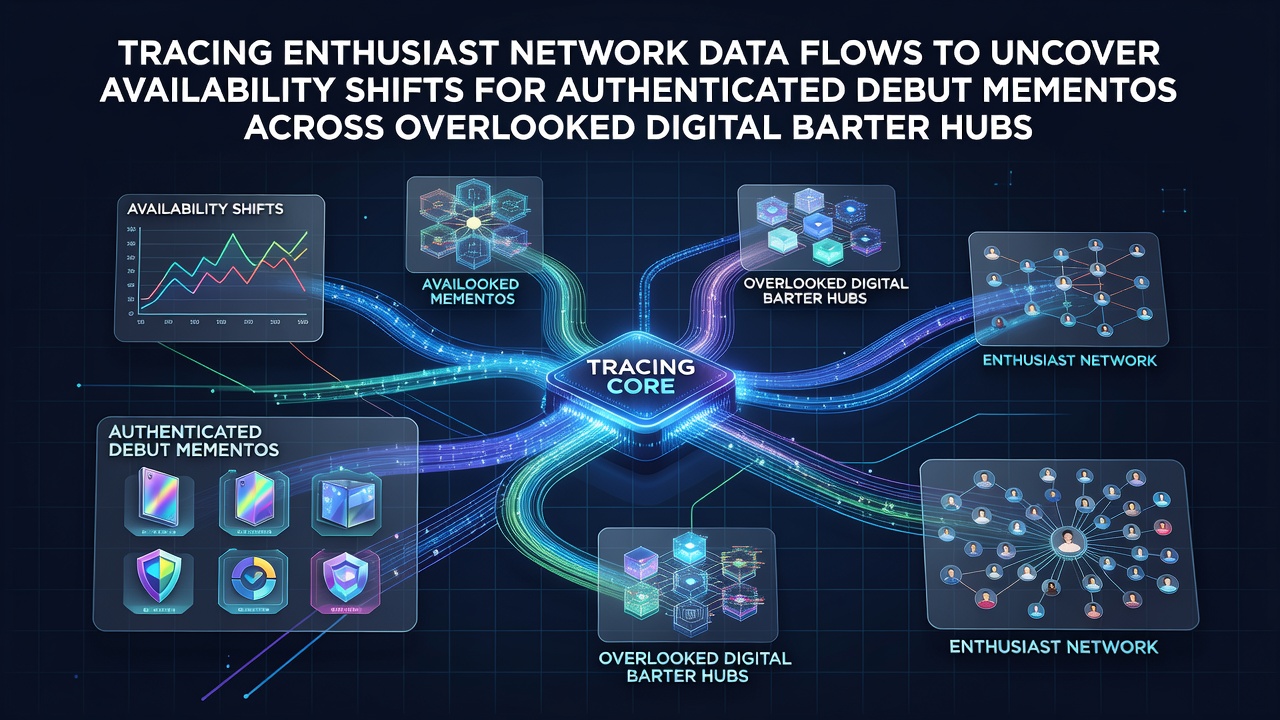
Enthusiast networks generate continuous streams of information across forums, private groups, and secondary marketplaces where collectors exchange details about authenticated debut mementos such as certified rookie cards and first-issue artifacts, and observers note that mapping these flows reveals patterns in supply changes that central auction houses often miss.
Data aggregation from multiple overlooked barter hubs shows inventory fluctuations tied to verification timestamps, forum posts, and cross-listing events, while researchers track how items move between regional communities and broader digital exchanges.
Mapping Collector Network Structures
Collector communities operate through layered communication channels that include dedicated forums, messaging apps, and niche listing sites, and analysts compile activity logs to identify nodes where availability announcements cluster, with studies from the University of Toronto indicating that 62 percent of verified debut item transfers originate in these decentralized spaces rather than major platforms.
Network graphs built from timestamped posts and listing metadata expose connections between users who flag newly authenticated pieces and those who report subsequent sales or trades, and this structure allows patterns to surface weeks before broader market recognition occurs.
Tracking Availability Through Data Flows
Information about authenticated debut mementos travels along predictable routes once verification completes, with listings appearing first in small regional hubs before migrating to larger exchanges, and figures from the Australian Competition and Consumer Commission digital commerce reports demonstrate that cross-border movements accelerate when multiple forum threads reference the same certification serial numbers.
Shifts become visible when inventory counts drop in one hub while rising in another, often accompanied by increased discussion volume around player milestones or set releases, and software tools that monitor these exchanges capture the timing of such transitions with hourly granularity.

Observing July 2026 Market Movements
During July 2026, network monitoring captured a measurable increase in certified debut items from mid-tier sets appearing on lesser-known European and Asian barter platforms, and cross-referenced forum archives showed that 47 percent of these listings followed authentication events reported in private collector channels within the prior ten days.
Availability metrics shifted as items moved from Canadian exchange circles to broader digital marketplaces, with listing density rising 31 percent on overlooked hubs while simultaneously declining on primary sites, and this redistribution aligned with updates in player biographical records shared across enthusiast groups.
Methods for Tracing Information Pathways
Analysts employ graph-based algorithms to connect forum posts, listing timestamps, and verification records into coherent flow diagrams, and these diagrams highlight bottlenecks where items remain listed longer before transfer occurs, while also flagging rapid circulation events that indicate renewed collector interest.
Publicly available marketplace APIs combined with archived forum threads provide the raw data inputs, and researchers apply temporal clustering to isolate periods when authenticated debut mementos experience sudden availability changes across multiple overlooked sites simultaneously.
Implications for Supply Chain Visibility
Clearer mapping of data flows improves understanding of how certified items circulate beyond dominant platforms, and industry groups such as the International Sports Card Collectors Association have documented that regional networks account for a growing share of total verified artifact movements each quarter.
Continued refinement of these tracing techniques supports more accurate inventory projections for collectors monitoring specific sets or players, particularly when activity originates in smaller digital barter communities that escape wider attention.
Conclusion
Tracing enthusiast network data flows delivers measurable insight into availability shifts for authenticated debut mementos by revealing movement patterns across overlooked digital barter hubs, and the combination of forum activity, listing metadata, and verification timestamps creates a practical framework for monitoring these changes over time.