Seasonal Performance Swings and Item Movement Patterns in Digital Collector Networks
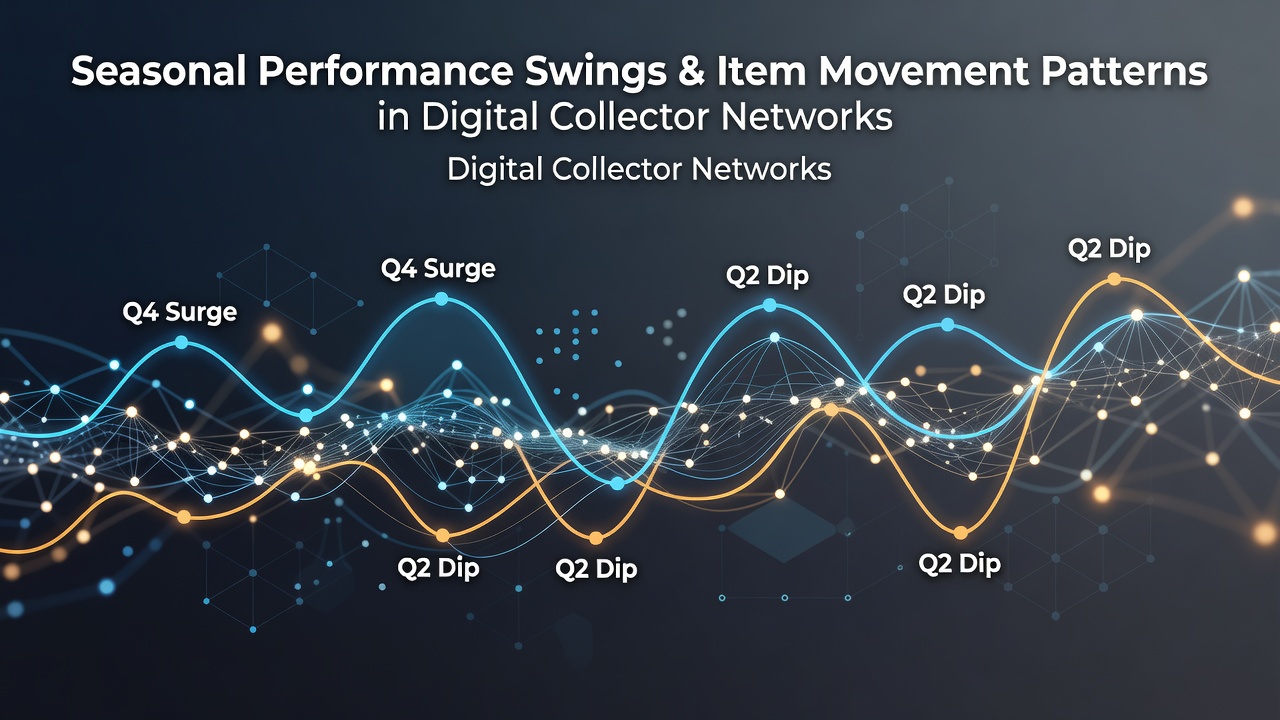
Digital collector networks track item circulation through platform data that links athlete performance variations across different seasons to shifts in availability and trading volume. Researchers have documented these connections using transaction logs from major exchange sites where certified collectibles change hands in response to on-field results.
Performance Cycles Drive Circulation Shifts
Observers note that performance swings during regular seasons versus off-seasons create measurable patterns in how items move between collectors. Data from exchange platforms shows increased listings when athletes enter slump periods while demand rises during peak performance stretches. These movements occur because network participants adjust their holdings based on updated statistical profiles that influence perceived value metrics.
Studies from the National Bureau of Economic Research have examined how quarterly performance data correlates with inventory changes across verified digital marketplaces. The analysis reveals that items tied to athletes experiencing mid-season declines often circulate more rapidly as holders seek to rebalance portfolios before further statistical drops occur.
Regional Network Behaviors in July 2026
In July 2026 platform records indicated distinct activity spikes during the traditional All-Star break period when many athletes paused competitive play. Collectors in North American networks adjusted positions on items connected to players whose first-half numbers deviated from historical averages. European and Asian exchange participants showed parallel adjustments though on different timelines aligned with their local league schedules.
Those who monitor these systems report that item velocity increases when performance data releases coincide with seasonal transitions. The patterns hold across multiple item categories because network algorithms surface listings based on real-time statistical inputs rather than static biographical details.
Mapping Item Flows Through Verification Systems
Authentication timelines intersect with seasonal performance data to shape movement patterns on digital platforms. Items that receive fresh certifications during high-performance windows tend to remain in active circulation longer than those verified during downturns. Platform metrics demonstrate this through reduced relisting rates for items tied to athletes whose recent output exceeds prior season benchmarks.
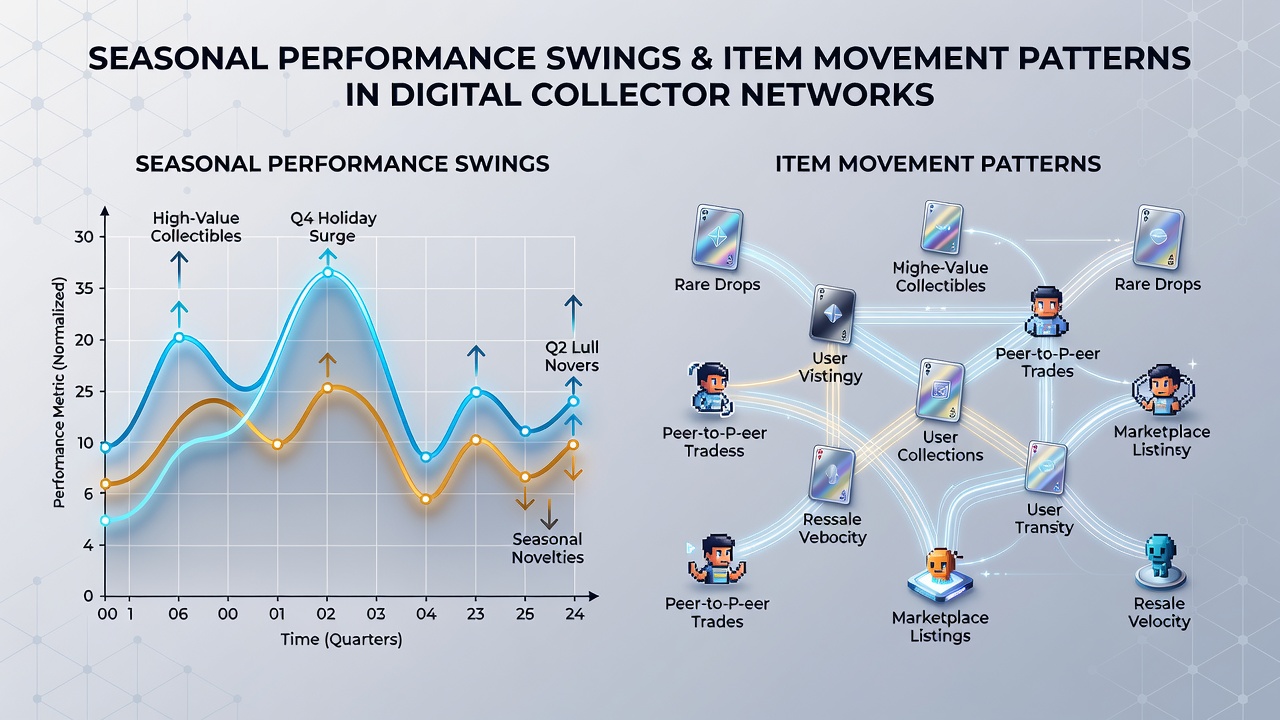
One documented case involved a cohort of verified items that moved through multiple regional networks following a league-wide statistical reset in the second quarter of 2025. The items cycled through Australian and Canadian collectors before settling in U.S. marketplaces once performance trends stabilized. This sequence aligned with data releases from league statistical services rather than external market events.
Statistical Inputs and Exchange Algorithms
Exchange algorithms incorporate seasonal performance indicators when ranking item visibility within digital collector networks. Items associated with athletes posting improved metrics in later season segments receive higher placement in search results which accelerates their movement between accounts. Conversely items linked to declining output see reduced algorithmic promotion and slower circulation speeds.
Research published through academic channels at institutions studying digital markets confirms these algorithmic influences operate consistently across different network sizes. The findings indicate that performance data serves as a primary filter for item exposure rather than secondary factors like regional collector density.
Cross-Network Inventory Adjustments
Collectors operating across multiple platforms adjust inventory holdings when seasonal performance data updates become available. These adjustments create ripple effects as items flow from one network segment to another in response to updated statistical profiles. Records from 2024 through mid-2026 show recurring patterns where items exit high-volume networks during performance peaks and re-enter during statistical resets.
The movement sequences follow predictable paths because verification systems timestamp each transaction against performance databases. This creates traceable chains that researchers use to model future circulation based on projected seasonal outcomes.
Conclusion
Seasonal performance swings continue to shape item movement patterns throughout digital collector networks as statistical updates trigger inventory rebalancing across platforms. The documented connections between on-field results and circulation velocity provide measurable indicators for those analyzing exchange activity. Platform data through July 2026 demonstrates these relationships persist across regional boundaries and item categories while verification systems maintain the linkage between performance records and transaction flows.