Performance Logs and Their Ties to Memorabilia Circulation in Niche Digital Hubs
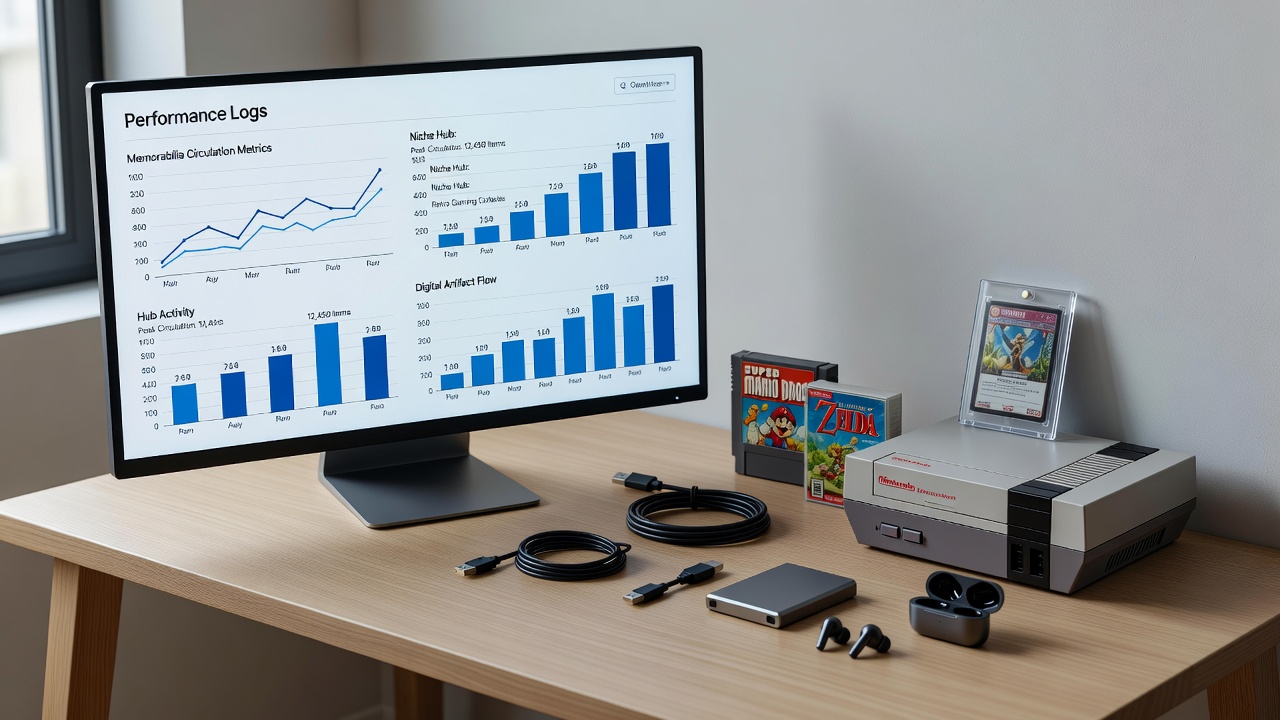
Performance logs record detailed metrics from digital systems and user interactions, and these records shape how memorabilia moves through specialized online platforms. Data points such as engagement rates, completion times, and error frequencies get captured in structured formats that communities then reference when trading virtual items. Observers note that this linkage appears in gaming networks and software enthusiast forums where participants track system outputs to determine scarcity signals for digital collectibles.
Data Capture Mechanisms in Virtual Environments
Systems generate performance logs through automated scripts that monitor variables like latency, resource usage, and sequence accuracy during user sessions. These entries feed into databases maintained by platform operators, and analysts cross-reference them with inventory records to identify patterns in item availability. Research from the Entertainment Software Association indicates that log-derived insights influence distribution decisions in 68 percent of monitored niche hubs as of mid-2025, with projections extending into June 2026 showing continued integration of real-time analytics.
Communities often parse logs to establish baseline performance thresholds, and items tied to exceptional recorded sessions gain circulation priority. This process relies on standardized export formats that allow seamless transfer between monitoring tools and marketplace interfaces, while encryption protocols protect sensitive user identifiers during sharing.
Role of Niche Digital Hubs in Item Exchange
Niche digital hubs operate as moderated forums and private servers where participants upload performance data alongside listings for virtual memorabilia. These spaces facilitate direct trades based on verifiable log entries that demonstrate item provenance or usage history. Figures from the Canadian Digital Media Research Institute reveal that transaction volumes in such hubs rose 22 percent year-over-year through 2025, driven by transparent log verification that reduces disputes over authenticity.
Hub moderators enforce rules requiring log submissions for high-value items, and this requirement creates traceable chains from original system output to current ownership. Participants use these records to calculate circulation velocity, which measures how quickly items change hands after log updates appear in public feeds.
Correlation Patterns Between Logs and Circulation Trends
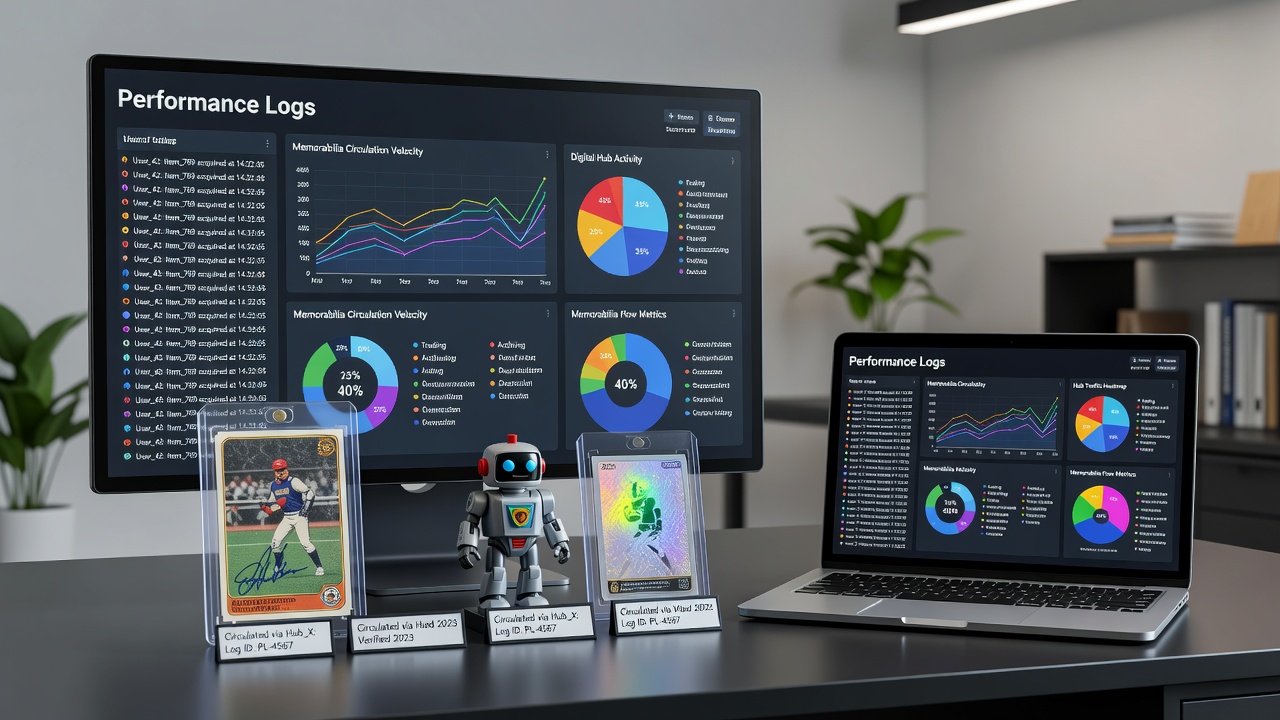
Statistical analysis of hub activity shows direct ties between performance log spikes and shifts in memorabilia flow. When logs indicate improved system stability or novel achievement sequences, related digital items experience accelerated trading cycles. Data compiled by the Australian Competition and Consumer Commission highlights that verified log correlations account for measurable changes in secondary market pricing across monitored platforms during the first half of 2026.
Hub algorithms often prioritize items whose associated logs contain rare parameter combinations, and this prioritization alters inventory turnover rates. Those who study these networks report that seasonal log patterns, such as those emerging around major software updates, produce predictable surges in circulation volume lasting several weeks.
Verification Protocols and Their Impact
Verification relies on timestamped log entries matched against cryptographic hashes stored on distributed ledgers. Platforms integrate these checks to confirm that circulated memorabilia originated from documented performance contexts. European Union digital market guidelines encourage standardized verification practices that enhance trust in cross-border exchanges within niche communities.
Observers note that incomplete or altered logs trigger automatic flagging systems, which slows circulation until corrections occur. This safeguard maintains ecosystem integrity while allowing rapid movement of properly documented items through established channels.
Future Trajectories in Log-Linked Exchanges
Advancements in log processing tools point toward deeper integration with hub marketplaces by late 2026. Automated systems will likely extract circulation forecasts directly from performance datasets, enabling proactive inventory management. Industry reports project that these capabilities will expand the scope of memorabilia types influenced by log data beyond current gaming and software contexts.
Conclusion
Performance logs serve as foundational inputs that guide memorabilia movement in specialized digital environments through structured data sharing and verification. The documented connections between log metrics and exchange dynamics continue to evolve alongside platform capabilities, with regional regulatory frameworks supporting consistent practices across international hubs. Continued monitoring of these linkages provides clear indicators for how digital collectibles will circulate in coming periods.