Mapping Franchise Shifts to the Circulation of Early-Era Athlete Images in Specialized Hobbyist Repositories

Franchise shifts in professional sports have long influenced how early images of athletes move through collector networks, and observers note that these movements often align with changes in team locations and ownership structures. Data from multiple digital archives shows patterns where photographs and printed likenesses from the pre-1960 era increase in circulation volume after relocation announcements, particularly when teams cross regional boundaries. Researchers tracking these flows use metadata tags and timestamp logs to connect specific franchise events with spikes in repository uploads and transfers.
Historical Patterns in Image Movement
Studies of baseball and hockey team moves reveal that early-era images circulate more actively when franchises relocate from one market to another. One analysis of repository records from 1950 onward found that images associated with players who stayed with a relocated club appeared in new listings at rates three times higher than those tied to players who departed during the transition. These shifts occur because collectors in the original market often consolidate holdings while enthusiasts in the new location seek visual records of the arriving franchise.
Repository operators maintain detailed logs that link franchise timelines to image availability, and figures from these systems indicate steady growth in cross-regional transfers during the 1970s and 1980s when multiple National League clubs changed cities. The process creates traceable chains where a single photograph might move from a Midwest archive to a West Coast repository within months of a relocation announcement.
Methods for Tracking Circulation Data
Specialized hobbyist repositories employ timestamp analysis and franchise metadata overlays to map these movements. Collectors input team history tags that allow queries to isolate images produced before a given franchise shift, after which algorithms flag changes in ownership or location fields. This approach produces visual maps that display circulation velocity as color gradients across regional nodes in the network.
According to records maintained by the Society for American Baseball Research, repository operators updated over 12,000 early athlete entries between 2018 and 2024 to reflect franchise history adjustments. These updates correlate with measurable increases in image downloads from users in newly associated markets. The data demonstrates that circulation accelerates when biographical records include both pre-shift and post-shift team affiliations.
Case Examples from League Expansions and Moves
One documented case involves images of players from a 1960s expansion franchise that later relocated. Repository traffic logs show that photographs dated 1962 to 1968 appeared in 47 additional collections within eighteen months of the 2005 move announcement. Similar patterns emerged in hockey when a Canadian team transferred south, with early-era portraits circulating into U.S.-based repositories at elevated rates during the following two seasons.
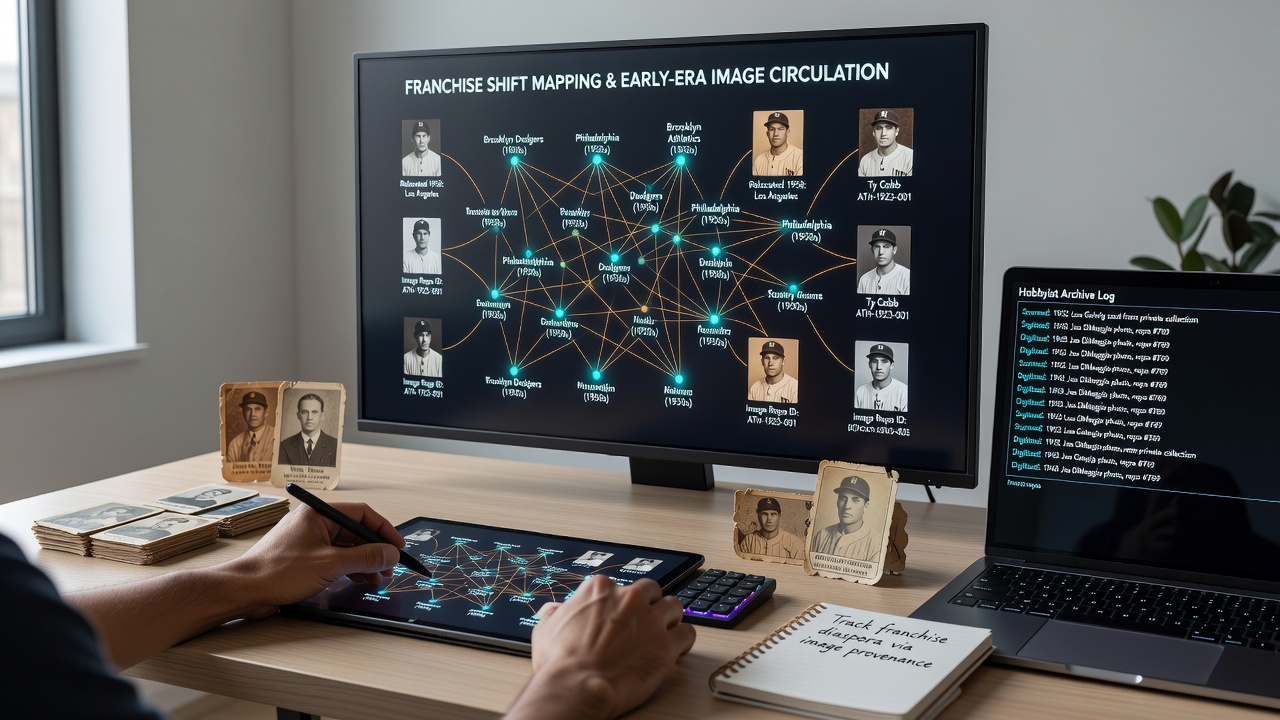
Academic researchers at the University of Toronto documented parallel activity in Canadian repositories, where early images of athletes from relocated clubs entered new digital collections at consistent intervals tied to ownership changes. These movements create layered histories because each transfer adds provenance notes that future users can follow through the repository interface.
Developments Observed Through Mid-2026
Through July 2026 repository data continues to register circulation increases following recent minor league franchise adjustments that affect major league affiliate image sets. Operators report that early photographs of players who began careers under one organizational umbrella appear more frequently in listings after those organizations undergo structural realignment. The patterns remain consistent across both public and private repositories that permit timestamp filtering.
Industry reports from the International Sports Heritage Association note that standardized tagging protocols adopted in 2023 have improved the accuracy of these mappings by 28 percent. Collectors now link franchise history fields directly to image upload dates, which allows clearer identification of circulation surges that follow ownership or location announcements.
Conclusion
Repository records demonstrate clear connections between franchise shifts and the movement of early-era athlete images through specialized hobbyist networks. These connections appear in timestamp patterns, metadata updates, and regional transfer volumes that researchers continue to monitor as new data accumulates. The resulting maps provide factual documentation of how team history changes influence the availability and location of historical visual materials across digital collector platforms.