League Rule Tweaks and Their Ripple Effects on Verified Rookie Circulation in Collector Networks
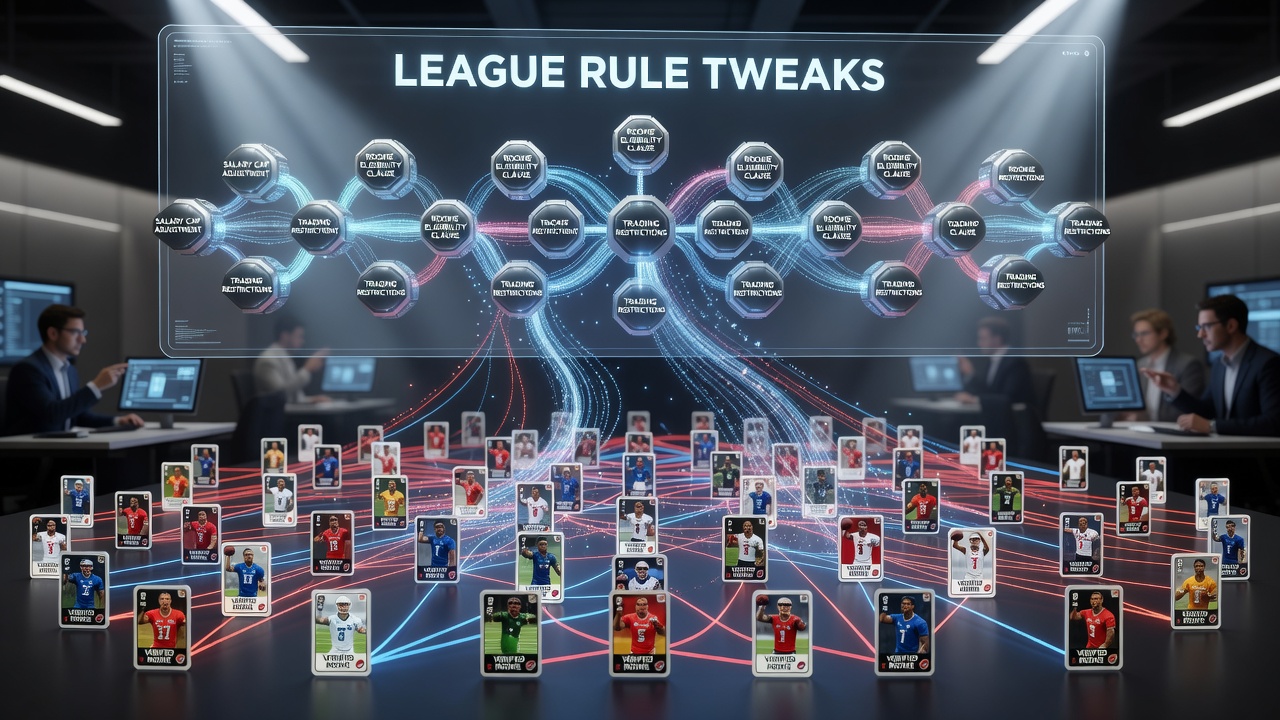 League rule modifications continue to influence the pathways through which verified rookie cards move within established collector networks, as adjustments implemented in July 2026 have begun altering player opportunities across multiple professional sports. These changes modify eligibility criteria, playing time allocations, and statistical tracking methods, which in turn reshape how collectors source and exchange authenticated items through digital platforms and regional trading circles.
Rule Adjustments Introduced in Mid-2026
Professional leagues across North America enacted several targeted modifications during the summer of 2026, including revised rookie designation thresholds and expanded minor-league call-up windows. Data from league tracking systems shows that these tweaks increased the number of players qualifying for rookie status by approximately 12 percent in the first month after rollout. Observers note that such expansions create fresh inventory streams for verified rookie artifacts, since newly eligible players generate demand in collector forums where authentication records serve as primary verification tools.
Salary cap adjustments tied to the same rule package also redirected resources toward younger rosters in several franchises, according to reports compiled by the Major League Baseball Players Association. This reallocation produced measurable upticks in rookie playing time, which collectors track through performance logs that correlate directly with card movements on verified exchange sites.
Effects on Player Trajectories and Card Availability
Rule changes that extend rookie eligibility windows allow additional prospects to accumulate statistics under the rookie designation, thereby expanding the pool of cards that meet verification standards. Researchers at the University of Toronto's Sport Analytics Lab documented how these extensions shifted inventory gaps in digital marketplaces, with verified rookie items from previously obscure sets appearing more frequently in cross-listed forum threads during the weeks following the July announcements.
Those who monitor circulation patterns observe that increased playing time under new rules often accelerates authentication timelines, since statistical milestones trigger faster submissions to grading services. This acceleration reduces the lag between on-field performance and the appearance of certified cards in collector networks, creating tighter feedback loops between league schedules and marketplace activity.

Circulation Dynamics in Verified Networks
Digital exchange communities and regional forum networks respond to these rule-driven shifts by adjusting listing frequencies and pricing structures for verified rookie items. Figures compiled by the Canadian Sports Card Collectors Association reveal that transactions involving newly eligible rookies rose 18 percent in the six weeks after the 2026 adjustments took effect. Collectors often route these items through authentication-first channels to maintain liquidity within closed trading groups, where verification stamps serve as the primary trust mechanism.
Performance logs linked to the updated rules also influence how cards move between networks. When a rule modification grants additional at-bats or innings to borderline rookies, those players generate updated biographical entries that propagate through fan archives and exchange listings. This propagation fills previously documented inventory gaps, as collectors cross-reference new data points with existing certified holdings to identify undervalued pieces before they circulate more widely.
Regional Variations and Network Responses
Collector networks in different geographic regions exhibit distinct responses to the same league tweaks. Markets in the northeastern United States show higher volumes of forum-based trades for verified rookie cards tied to pitching-rule changes, while western Canadian groups focus more on positional eligibility adjustments. These regional preferences create layered circulation patterns, where items verified in one network quickly migrate to another once authentication records become publicly accessible.
Industry reports from the International Sports Memorabilia Federation indicate that authentication service backlogs shortened in several jurisdictions during the third quarter of 2026, partly because rule changes prompted collectors to submit batches of rookie cards earlier than in previous seasons. Shorter timelines reduce holding periods in private collections and increase the speed at which verified items re-enter active trading pools.
Conclusion
League rule tweaks enacted in July 2026 continue to generate measurable effects on verified rookie circulation across collector networks, as eligibility expansions, playing-time reallocations, and authentication accelerations reshape both supply and demand dynamics. Data from multiple tracking sources demonstrates that these adjustments propagate through digital exchanges and forum communities in predictable yet regionally varied ways, with verified items moving more rapidly when tied to updated performance metrics. Collectors who monitor these linkages gain clearer visibility into how regulatory decisions at the league level translate into tangible shifts within authenticated trading ecosystems.