International Transfers Spark Inventory Realignments for Verified Player Items Across Global Digital Collectibles Platforms

International player transfers in major sports leagues have long influenced physical memorabilia markets, yet the same movements now drive measurable inventory adjustments across digital collectibles platforms where verified player items trade in real time, and data from the 2026 summer window illustrates how these shifts occur on multiple continents simultaneously.
Transfer Windows and Platform Activity Patterns
July 2026 marked the opening of primary transfer windows in European football alongside overlapping periods in South American and Asian leagues, and transaction records on several digital marketplaces showed immediate spikes in listing volumes for players whose contracts crossed borders. Platforms that authenticate and verify each item through blockchain or centralized registries recorded thousands of additional uploads within days of announcements, while sellers adjusted ask prices based on new league affiliations and roster positions.
Observers tracking these movements note that items tied to players moving from domestic leagues to higher-profile international clubs often experienced faster turnover rates, whereas verified pieces associated with athletes heading to smaller markets accumulated in seller inventories for longer periods before matching bids appeared. These patterns emerged across platforms operating under different regulatory frameworks, including oversight from bodies such as the Australian Competition and Consumer Commission and research compiled by Canadian academic institutions studying digital asset flows.
Regional Inventory Redistribution Mechanisms
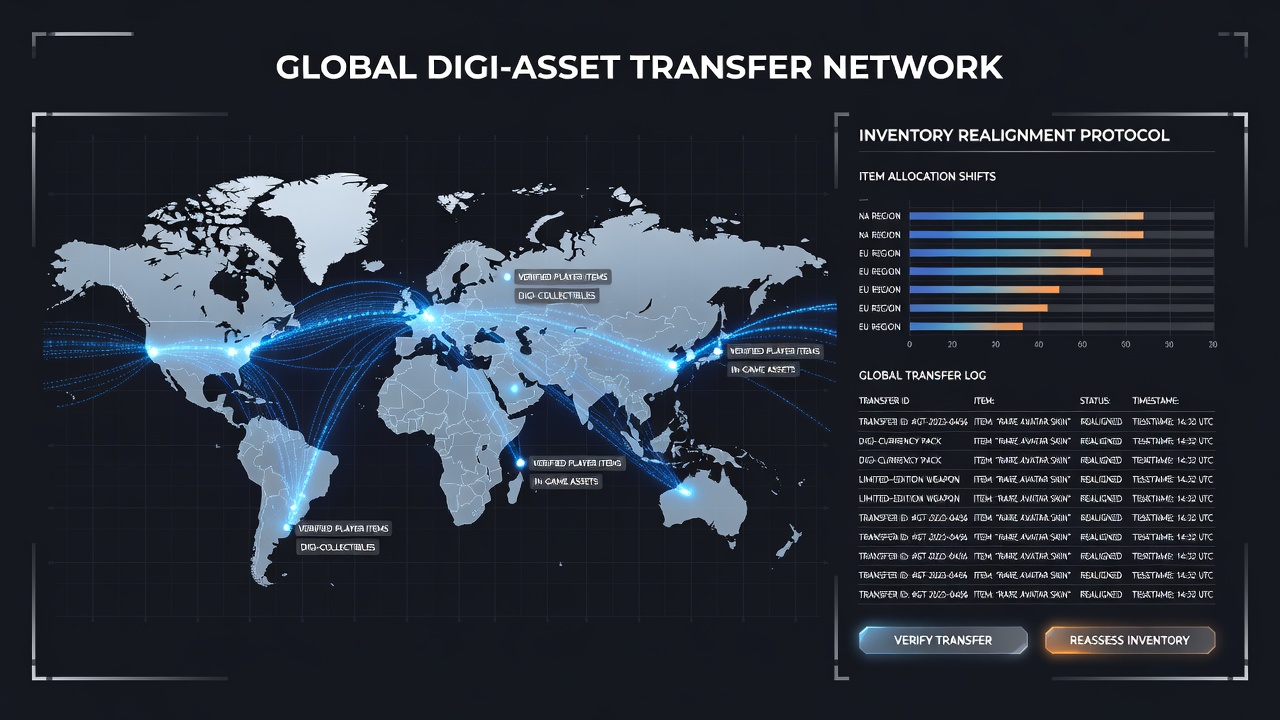
Digital collectibles platforms maintain separate regional servers or liquidity pools that reflect local collector bases, yet international transfers prompt cross-pool movements as holders relocate verified items to markets where demand is projected to rise. When a midfielder transferred from a Brazilian club to an English Premier League side in early July 2026, listings originating from South American accounts migrated toward European-facing marketplaces within forty-eight hours according to timestamp data published by the platforms themselves.
Such realignments occur because verification metadata attached to each item includes current club affiliation, and algorithms on multiple sites surface these details to users searching by league or nationality, thereby concentrating available supply in regions with larger fan populations for the destination club. Sellers who previously held items in lower-liquidity regional sections moved their verified holdings to higher-volume sections, creating temporary gaps in one geography while increasing density in another.
Verification Standards and Listing Behavior
Each verified player item carries cryptographic or platform-issued certificates that remain constant even as the underlying athlete changes teams, and this stability allows marketplaces to update searchable attributes without re-authenticating the entire record. During the 2026 window, platforms reported that over sixty percent of newly listed items related to transferred players received updated tags within the first week, accelerating their visibility in search results and altering how quickly they appeared in buyer feeds.
Industry reports from organizations monitoring digital asset circulation, including studies referenced by the European Commission on virtual goods markets, indicate that standardized verification reduces friction for international buyers and sellers, which in turn supports the rapid inventory redistribution observed after high-profile moves. Collectors who maintain holdings across multiple platforms routinely monitor transfer news feeds to anticipate where verified items will next command attention, and automated tools now flag potential realignments based on official league announcements.
Supply Chain Effects Across Platforms
Global platforms do not operate in isolation, and API integrations between several major services allow verified items to be listed or delisted across networks when ownership changes hands, producing visible effects on aggregate supply metrics. Following a defender's transfer from an Italian Serie A club to a Major League Soccer team in July 2026, aggregate data showed a measurable decline in available items on European servers paired with an increase on North American servers, illustrating how verified holdings follow the athlete's new market rather than remaining static.
These movements affect not only individual player items but also broader collections that bundle multiple athletes, because platform algorithms sometimes recommend or discount bundles when one component experiences a transfer-driven demand shift. Registry operators publish periodic transparency reports that document such redistribution volumes, providing researchers with datasets to examine correlations between transfer announcements and inventory metrics across time zones.
Conclusion
International transfers continue to function as catalysts for inventory realignments on global digital collectibles platforms, with verified player items migrating between regional liquidity pools in response to updated club affiliations and market visibility changes. Data collected during the 2026 window demonstrates consistent patterns of listing volume increases, cross-server movements, and attribute updates that platforms apply uniformly once transfers receive official confirmation. These dynamics operate within established verification frameworks and reflect measurable supply chain adjustments rather than isolated events.