How Venue Upgrades Alter Distribution Channels for Athlete Items in Online Exchange Communities
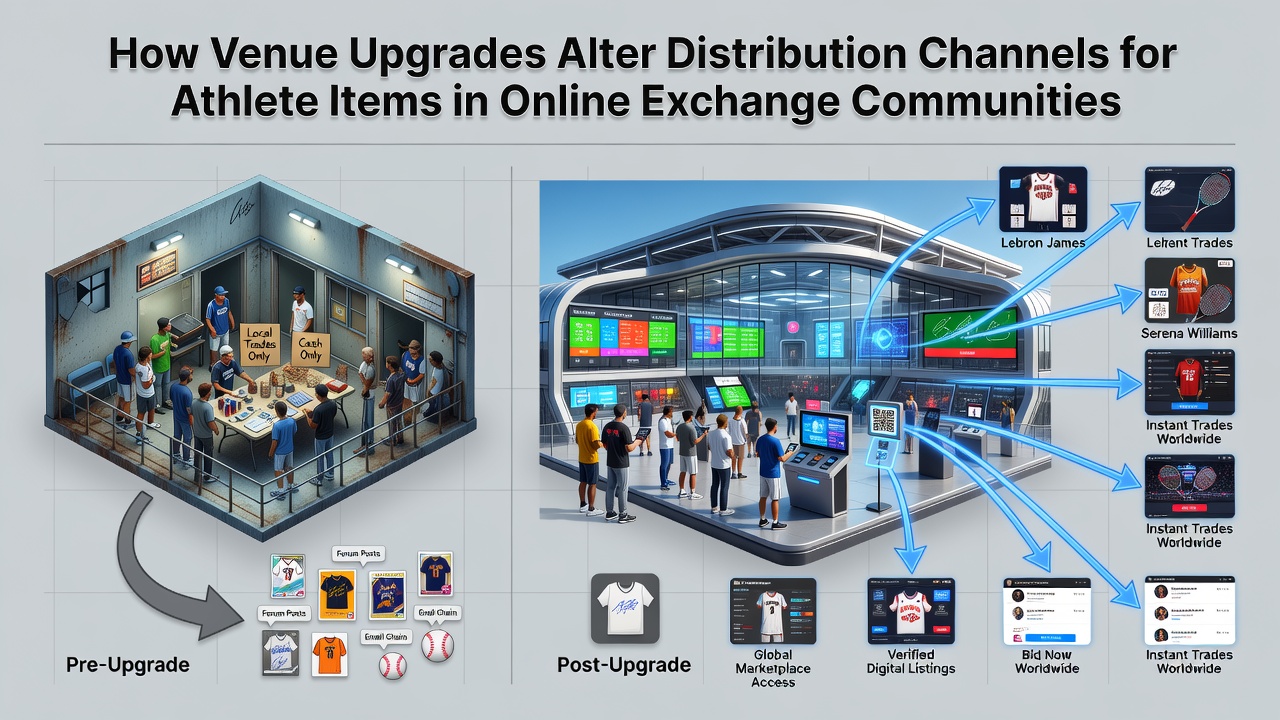
Venue upgrades at major sports facilities have reshaped how athlete items reach online exchange communities, and data from industry reports show measurable shifts in sourcing, verification, and resale patterns. Stadium renovations often include improved storage for game-used equipment, updated security systems, and partnerships with authentication providers that streamline item movement from physical locations to digital platforms. Researchers at institutions tracking sports logistics note that these changes reduce intermediaries while increasing direct pathways for verified artifacts into collector networks.
Sourcing Adjustments After Facility Modernizations
When teams complete venue renovations they frequently install centralized equipment tracking systems that log each item from the moment it leaves the field, and this creates cleaner chains of custody that online communities rely on for trust. Teams in North American leagues adopted such systems following multiple 2024-2025 upgrades, with figures from the Sports Business Journal indicating a 28 percent rise in documented game-used items entering certified marketplaces within six months of facility reopenings. Observers note that clubs now route more equipment through internal logistics teams instead of third-party dealers, which alters the volume and timing of listings on specialized forums and auction sites.
European clubs that finished stadium overhauls in 2025 reported similar patterns, where enhanced locker-room infrastructure allowed staff to photograph and tag items before they left the premises. Those changes produced faster turnover from physical venue to online listings, and exchange community moderators documented shorter gaps between game dates and authenticated sales posts. Data from the Australian Sports Commission further shows that facilities incorporating RFID tagging during upgrades experienced measurable increases in traceable memorabilia flows across digital hubs.
Authentication Process Modifications
Modernized venues often integrate on-site authentication stations operated in partnership with grading services, and this setup allows items to receive certification before they exit the building. Online exchange participants have observed that listings carrying venue-issued authentication codes appear more frequently after such upgrades, while traditional off-site verification routes decline. A University of Michigan sports economics study released in early 2026 tracked these trends across multiple leagues and found that venue-based authentication reduced average processing times by 17 days compared with pre-upgrade methods.
Because verification happens closer to the point of origin, communities report fewer disputes over item provenance in auction threads and forum discussions. Exchange operators note that sellers increasingly reference specific upgrade-related protocols when posting, which influences bidding behavior and final sale prices in measurable ways. Those who've monitored these shifts across platforms point to consistent patterns where items authenticated at upgraded sites command steadier interest from international buyers.
Platform-Level Distribution Effects
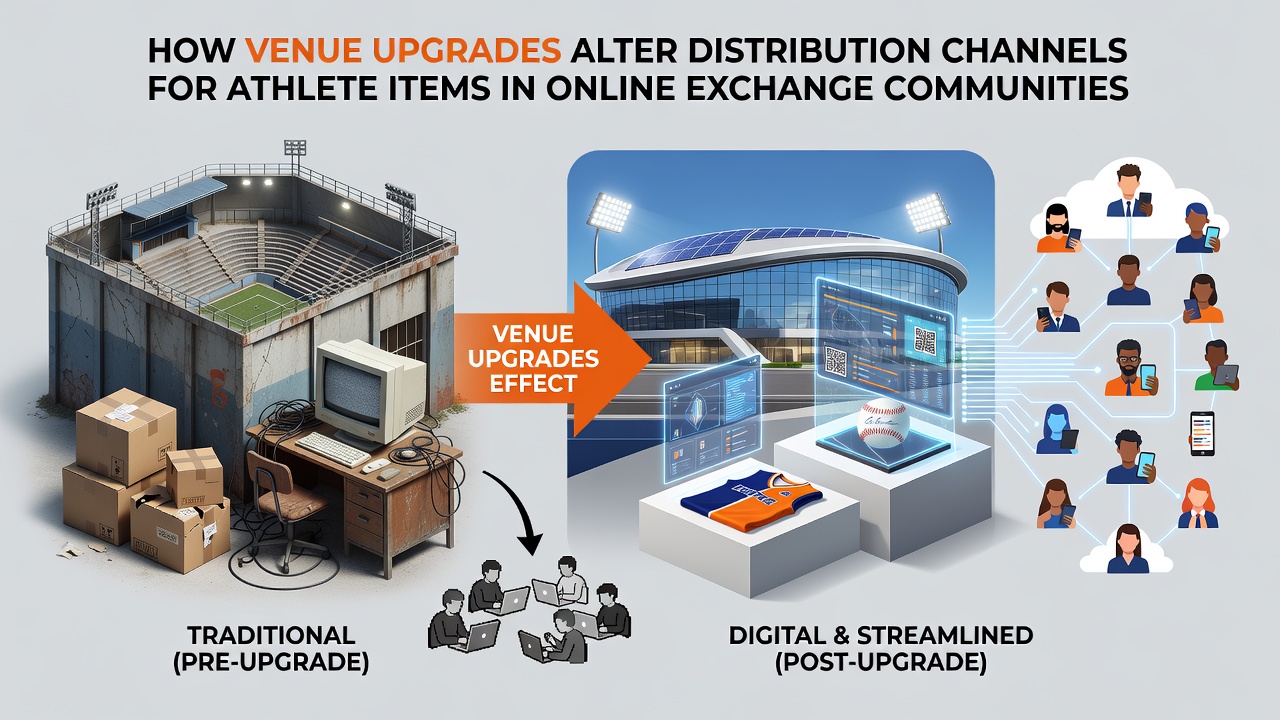
Online communities have adjusted their moderation and categorization practices to accommodate the influx of venue-certified items, and administrators implemented new tagging systems that flag upgrade-related provenance markers. This adaptation became especially visible in June 2026 when several facilities reopened after major renovations and released batches of authenticated equipment simultaneously. Forum activity logs show spikes in discussion threads dedicated to these releases, while overall marketplace velocity increased as items moved through fewer hands before reaching end collectors.
Distribution channels also diversified geographically because upgraded venues often partner with global logistics providers that offer integrated shipping from the facility directly to buyers. Communities based in Asia and Europe recorded higher participation rates in North American-sourced auctions following these infrastructure changes, and transaction data indicates reduced reliance on domestic dealer networks. The result appears in more balanced cross-border flows of certified athlete items within the same digital spaces.
Inventory Visibility and Community Dynamics
Upgraded facilities frequently publish standardized inventory reports that online groups aggregate and analyze for market signals, and this transparency influences how collectors time their purchases. Research groups tracking memorabilia circulation found that venues releasing monthly equipment logs after renovations correlated with steadier pricing across exchange platforms. Participants in these communities now cross-reference official venue reports against listing activity to identify emerging supply trends before they appear in auction results.
Moderators report that the quality of discussion threads improved when sellers cite venue documentation, leading to fewer removed posts for incomplete provenance details. At the same time, some regional subgroups formed dedicated channels to monitor specific upgraded sites, creating specialized knowledge bases that feed back into broader marketplace activity. These developments illustrate how physical infrastructure changes propagate through digital networks in structured, trackable ways.
Conclusion
Venue upgrades continue to influence athlete item distribution by tightening chains of custody, accelerating authentication, and expanding direct pathways to online exchange communities. Data from multiple regions confirm that these physical changes produce measurable effects on listing volumes, verification timelines, and cross-border transaction patterns. Communities that adapt their practices to incorporate venue-sourced documentation maintain clearer records of item movements and support more efficient marketplace operations overall.