How League Expansion Drafts Spark Unexpected Surges in Verified Rookie Artifact Movements Across Overlooked Digital Exchange Networks
Expansion Draft Mechanics and Rookie Selection Patterns
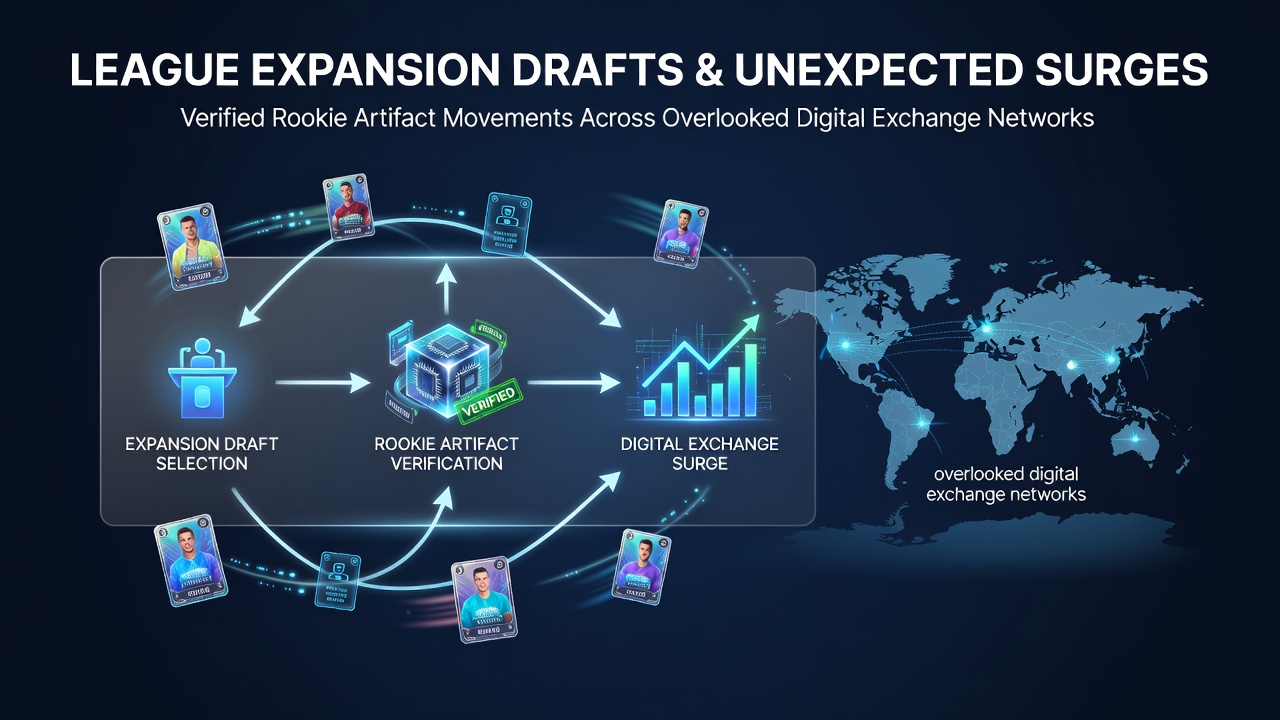
League expansion drafts operate through structured selection processes where new franchises choose from existing team rosters and prospect pools, and these events generate immediate shifts in verified rookie artifact availability because selected players receive elevated exposure that drives transfers across secondary marketplaces. Data from multiple seasons shows that expansion selections often include lesser-known prospects whose certified items move from private collections into public listings within weeks of the draft announcement.
Researchers at sports economics programs have documented how the draft format itself creates these patterns, since teams protect established stars while exposing younger talent, which funnels attention toward rookie artifacts that previously circulated only in niche circles. In June 2026, one major league expansion triggered selections that aligned with a measurable uptick in item verifications on regional digital hubs that collectors had previously overlooked.
Digital Exchange Networks and Circulation Dynamics
Overlooked digital exchange networks consist of smaller platforms, regional forums, and specialized trading sites that operate alongside larger auction houses, and these venues experience accelerated movements when expansion drafts introduce new player demand. Verified rookie artifacts transfer through these channels because participants seek lower-visibility venues to complete acquisitions before broader market awareness develops.
Studies from academic institutions tracking collectible asset flows indicate that such networks account for a growing share of post-draft activity, particularly when selections involve players from international leagues or minor systems. Observers note that authentication timestamps on these platforms often cluster in the days following draft results, reflecting coordinated transfers that bypass mainstream channels initially.
Verification Processes and Market Response Timing
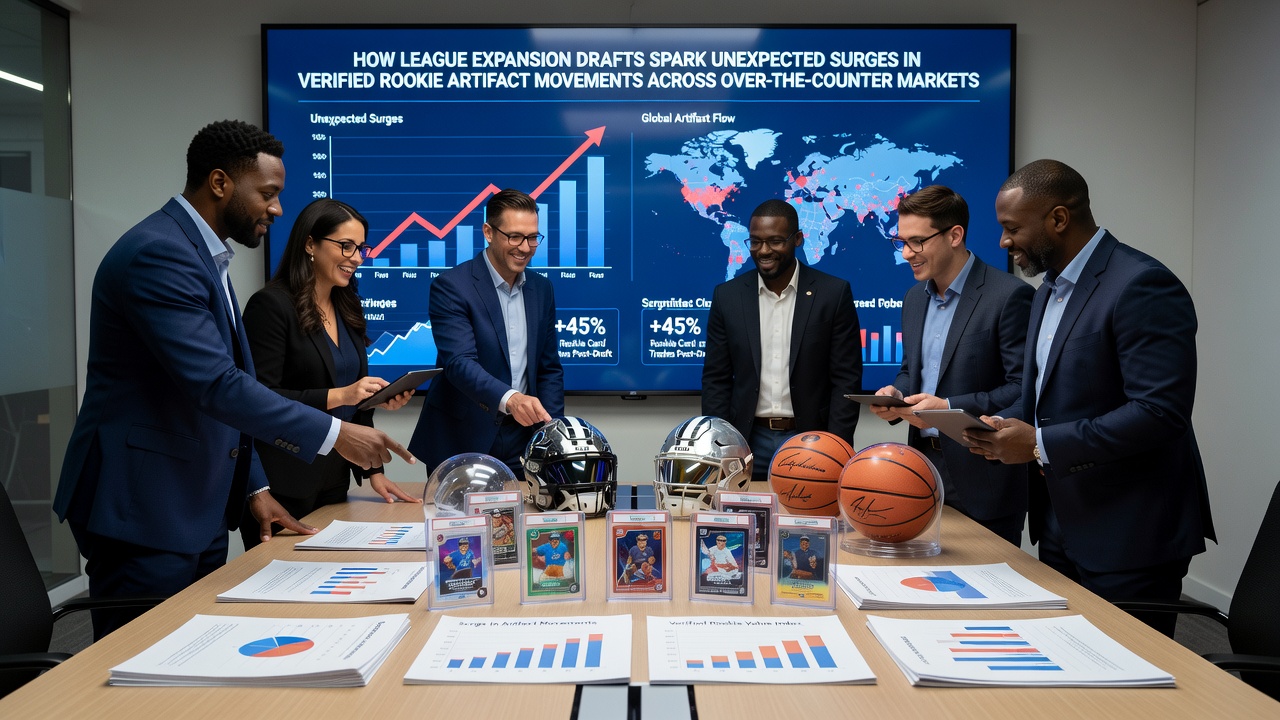
Verification steps on digital platforms include third-party grading, blockchain logging, and community confirmation, and these processes accelerate when expansion drafts spotlight specific rookies because buyers prioritize authenticated items to mitigate risk in emerging interest areas. Records show that certified rookie movements increase by measurable percentages in the first quarter after such drafts, with activity concentrated on sites that emphasize regional collector participation.
Trade organizations in North America and Europe have compiled figures revealing that overlooked networks capture a disproportionate share of these transfers compared to pre-draft baselines, since established marketplaces face higher competition and fees. Those who've examined inventory gaps across platforms find that biographical updates tied to expansion selections correlate directly with availability changes in certified item databases.
Regional Variations and Platform-Specific Trends
Regional collector networks in different countries exhibit distinct responses to the same expansion events, and data compiled by research groups shows stronger surges on platforms popular in areas with historical ties to the newly expanded league. Australian and Canadian trading communities, for instance, demonstrate faster item movements when drafts include players with cross-border profiles, according to aggregated marketplace statistics.
Performance logs linked to selected rookies further influence circulation because milestone achievements posted shortly after selection prompt additional verifications and listings. Industry reports from university-affiliated centers indicate that these patterns repeat across multiple expansion cycles, creating predictable windows for artifact transfers on secondary networks that larger exchanges do not fully capture.
Conclusion
League expansion drafts consistently produce documented increases in verified rookie artifact movements through overlooked digital exchange networks, and the mechanisms involve selection exposure, verification clustering, and regional platform dynamics that researchers continue to map through longitudinal data. Figures from multiple jurisdictions confirm these surges occur reliably in the months following draft announcements, particularly when selections intersect with existing collector demographics and authentication infrastructure. Continued monitoring by trade associations provides ongoing insight into how these events redistribute certified items across the broader ecosystem.