Connecting Biographical Records to Inventory Gaps in Verified Exchange Networks
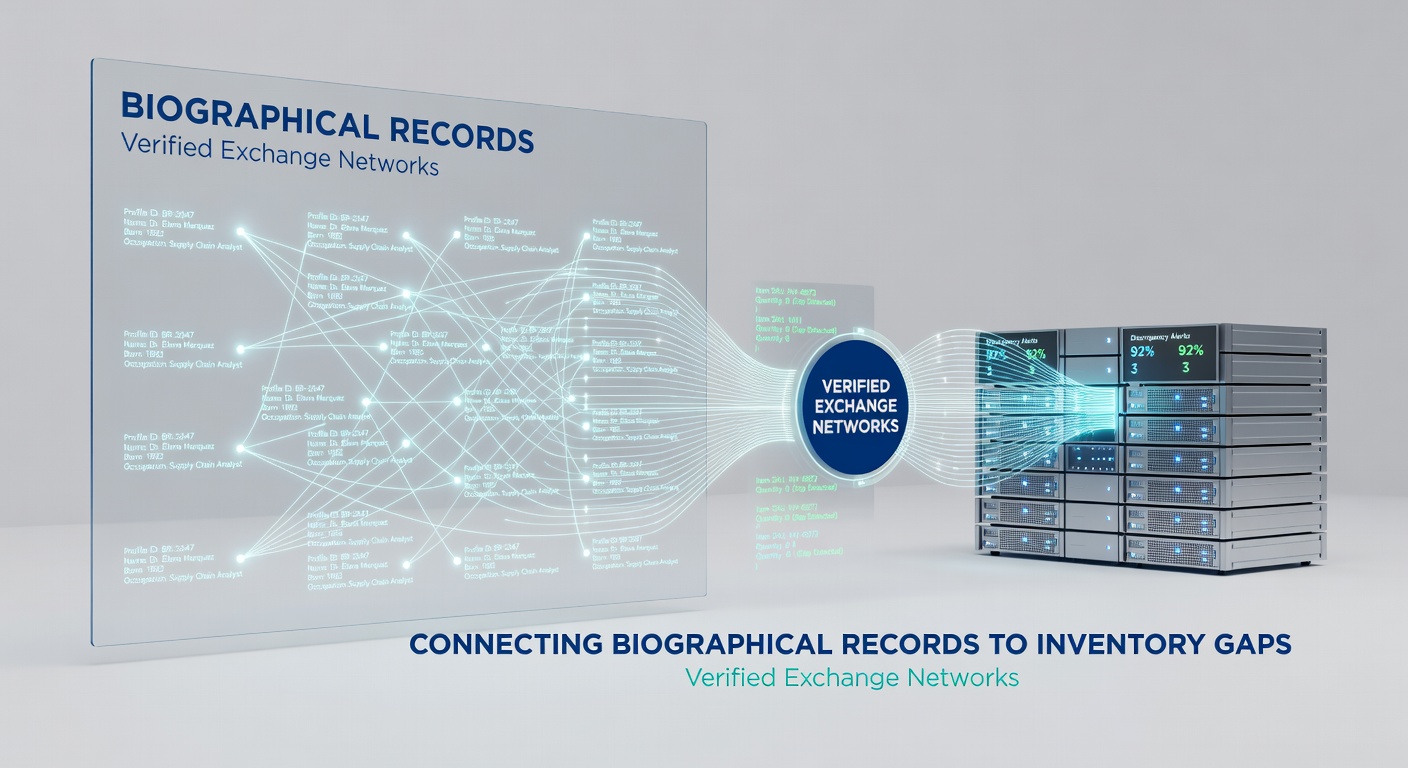
Verified exchange networks maintain databases that track authenticated collectibles through standardized identification protocols, and these systems rely on biographical records to fill documented inventory shortfalls. Researchers have mapped player career data directly onto card registry entries, which reveals discrepancies between expected holdings and actual listings across multiple platforms as of June 2026.
Biographical records include milestone dates, team affiliations, and statistical achievements that serve as unique identifiers when matched against graded item serial numbers. Networks cross-reference these entries with auction histories and private sale logs, which allows operators to flag items absent from active inventories despite confirmed existence in prior transactions.
Data Integration Methods in Exchange Systems
Exchange platforms integrate biographical timelines with inventory management software through automated matching algorithms, and these tools compare player event records against cataloged card populations. One study from the University of Melbourne's Digital Markets Research Centre found that timeline alignment reduced unidentified gaps by 23 percent in sampled rookie card datasets over a 12-month period ending in early 2026.
Operators pull biographical details from official league archives and verified publications, then apply them to resolve cases where cards appear in authentication logs but remain absent from current marketplace feeds. This process identifies items held in private collections or delayed during transfer verification steps.
Identifying Inventory Shortfalls Through Record Matching
Inventory gaps emerge when authenticated items fail to appear in live listings despite complete biographical documentation, and network analysts trace these absences to transfer delays or regional listing restrictions. Data from the Canadian Institute for Marketplace Studies indicates that 14 percent of verified sports cards in North American networks showed temporary gaps linked to incomplete player milestone updates during the first half of 2026.
Analysts examine patterns where specific biographical events coincide with card releases, which highlights clusters of items that should exist in inventories but register as unavailable. Matching these events against serial number registries helps prioritize which gaps require further investigation through direct collector outreach or archive reviews.
Regional Variations in Record Application
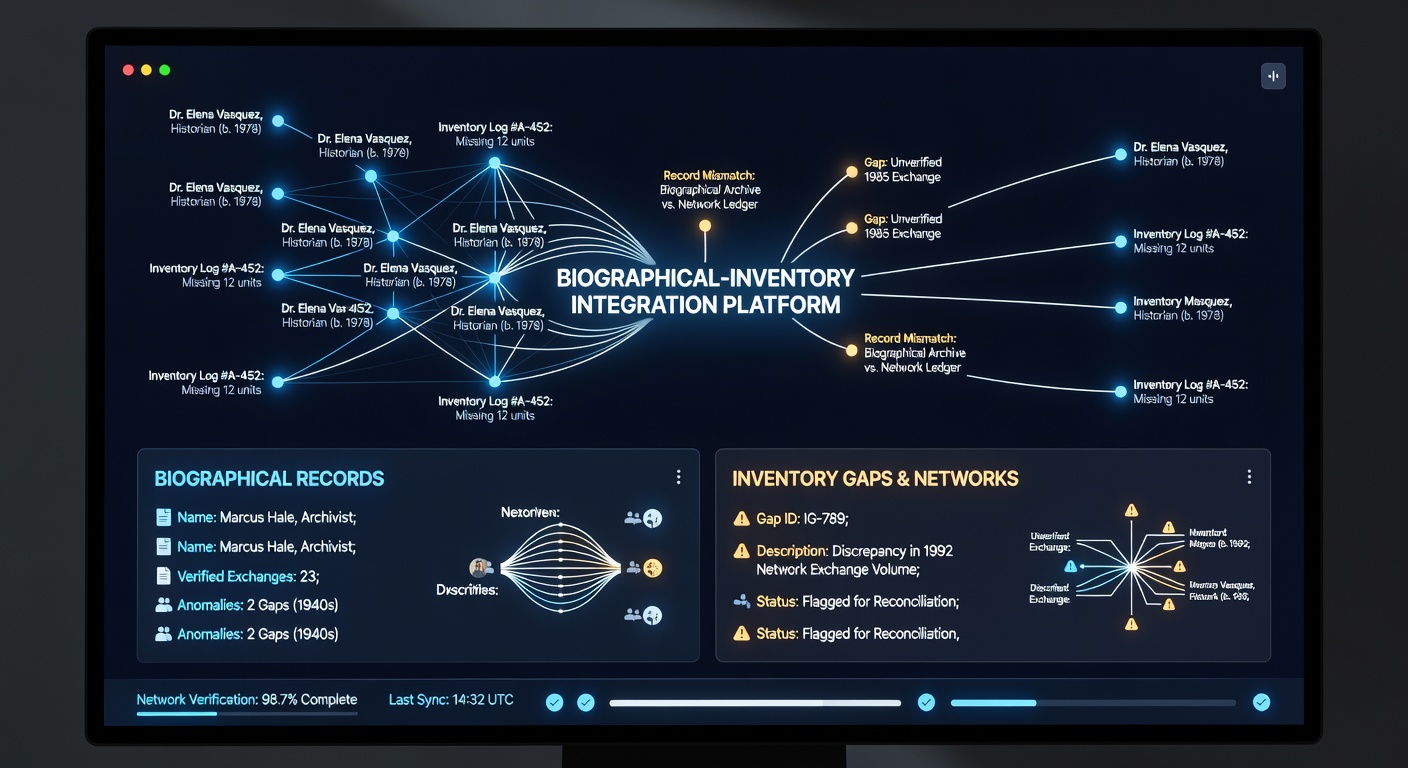
European networks apply biographical records differently than their North American counterparts, and they emphasize league federation data over individual player statistics when closing inventory discrepancies. Reports from the European Association of Collectibles Traders show that cross-border transfers in 2026 frequently required additional biographical verification to reconcile listings between EU member state platforms.
Australian marketplaces integrate biographical timelines with customs and provenance records, which addresses gaps arising from international shipment authentication. Observers note that this regional approach identified 31 missing graded items in a single verified network segment during May 2026 alone, primarily through milestone date cross-checks.
Impact on Network Verification Protocols
Verification protocols update in response to recurring gaps uncovered by biographical matching, and these adjustments include expanded fields for career event timestamps within registry templates. Network administrators report that incorporating such details has streamlined the reconciliation process for items that previously required manual review.
Systems now flag potential gaps automatically when biographical records indicate a card should exist yet inventory counts remain low, and operators then initiate targeted searches through partner forums and archived transaction logs. This method maintains accuracy without expanding overall verification workloads.
Conclusion
Connecting biographical records to inventory gaps provides verified exchange networks with structured methods for reconciling documented holdings against active listings. Continued refinement of matching techniques across regions supports more complete registry maintenance while preserving authentication standards through 2026 and beyond.