Clubhouse Banter Patterns Revealing Hidden Patterns in Athlete Card Supply Chains on Exchange Sites
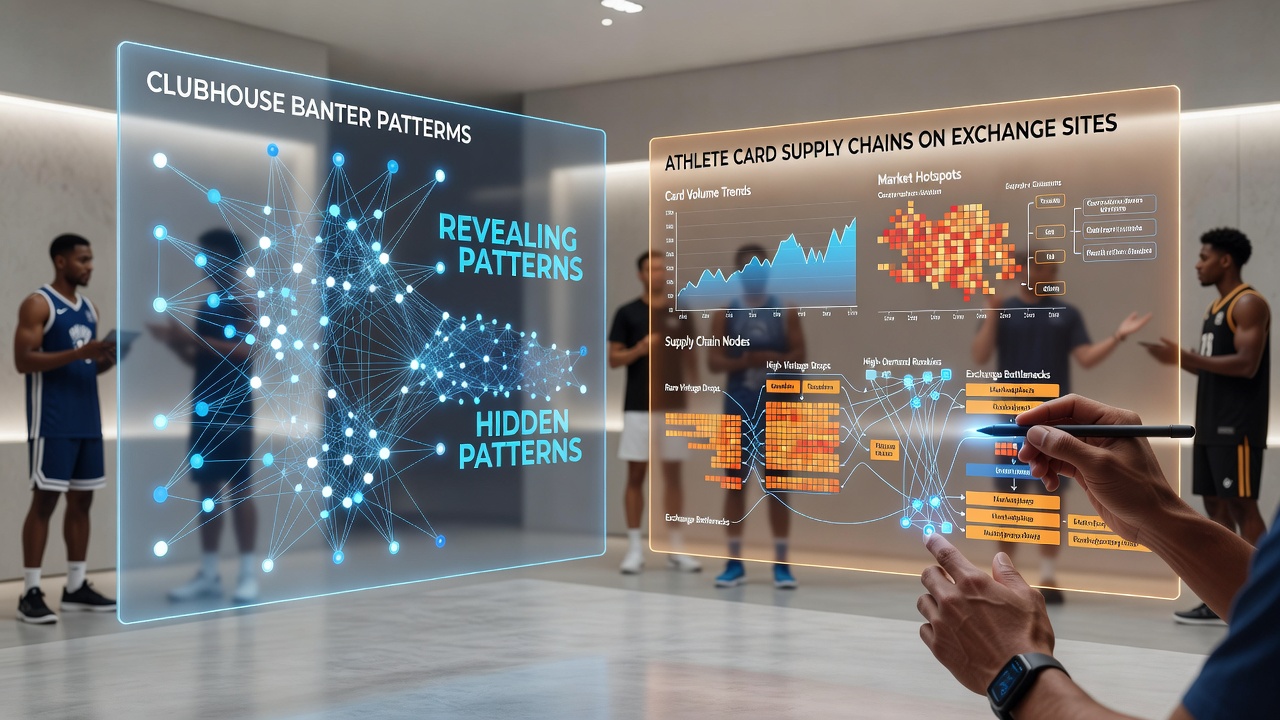
Clubhouse discussions among sports card enthusiasts often surface details about inventory movements that appear on major exchange platforms, and observers note these conversations frequently align with measurable shifts in listing volumes and seller behaviors across digital marketplaces. Data from multiple platforms shows that threads mentioning specific player cards tend to precede changes in available stock, particularly when participants reference recent acquisitions or pending shipments from distributors.
Forum Discussions and Inventory Tracking
Participants in these online spaces share observations about when certain rookie cards enter circulation or when batches move from private collections into public sales channels, while patterns emerge when multiple users report similar sourcing details within short timeframes. Researchers at institutions focused on consumer marketplaces have documented correlations between such chatter and subsequent adjustments in seller inventories, with exchange site analytics indicating that coordinated mentions of supply constraints can coincide with reduced listing counts for affected items.
Exchange operators maintain records of daily active listings and price fluctuations, and studies from North American trade research groups indicate that spikes in forum references to particular athlete cards often track with temporary dips in overall availability as sellers adjust strategies based on perceived demand signals circulating in community channels. Those who monitor both environments observe that conversations about authentication delays or grading backlogs sometimes reflect upstream supply chain slowdowns reported by manufacturers or distributors.
Supply Chain Indicators in Community Exchanges
Hidden patterns surface when collectors discuss regional differences in card releases or when they compare notes on how certain sets reach secondary markets faster in one area versus another, and these exchanges frequently map onto data showing uneven distribution across exchange site regions. According to figures compiled by marketplace analytics firms, items discussed in real time within active threads demonstrate higher rates of cross-listing activity, where sellers move stock between platforms in response to collective insights shared during live sessions.
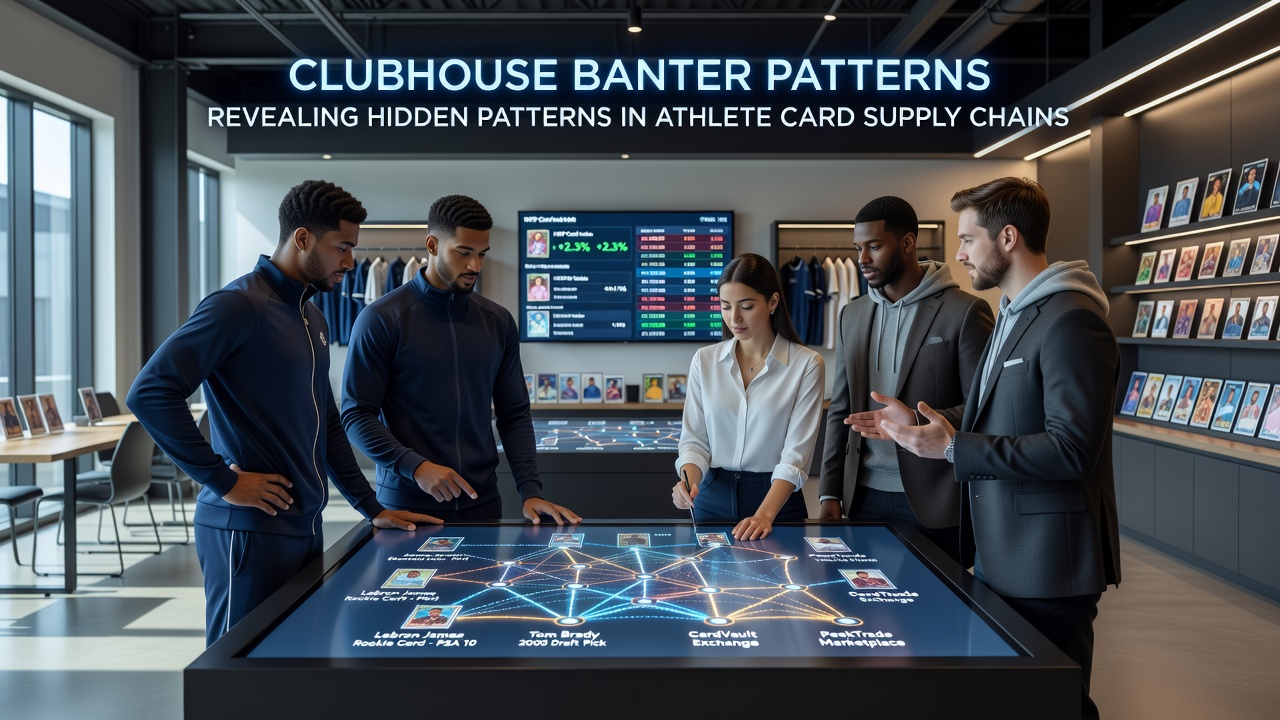
Supply chains for athlete cards involve multiple tiers including manufacturers, authorized dealers, and individual traders, while clubhouse banter provides indirect visibility into transitions between these stages. Evidence from platform transaction logs reveals that mentions of bulk purchases or lot consolidations often precede measurable increases in single-card offerings as participants break down larger acquisitions for resale. In June 2026, exchange site reports noted a measurable uptick in such activity following extended forum threads about distribution bottlenecks affecting specific player releases.
Regional Networks and Marketplace Shifts
Collector networks operating across different time zones contribute to ongoing monitoring of card movement, and data indicates that conversations originating in one geographic cluster can influence listing behaviors observed on global exchange sites within hours. Academic analyses from European research centers examining digital collectibles have identified recurring sequences where supply mentions in community spaces align with adjustments in seller verification statuses and shipping timelines displayed on the platforms.
Patterns become clearer when comparing timestamps of forum posts against exchange site metadata, such as when new seller accounts appear or when existing listings receive updates on condition details. Observers note that these alignments occur consistently across multiple athlete categories, although the strength of the connection varies based on the volume of discussion dedicated to a given card series.
Data Correlations Across Platforms
Quantitative reviews of exchange activity demonstrate that cards referenced in high-engagement threads experience distinct listing velocity changes compared to those with minimal community attention, and this holds true even when controlling for external factors like player performance metrics. Industry reports from Australian market monitoring organizations highlight how supply chain transparency improves when cross-referencing public forum archives with anonymized transaction data released by exchange operators.
Participants often reference specific dates for when items left warehouses or arrived at grading facilities, and these details frequently match recorded changes in certified inventory levels shown on exchange dashboards. Such overlaps suggest that collective knowledge within these spaces captures aspects of the supply pipeline not immediately visible through platform interfaces alone.
Conclusion
Clubhouse banter continues to function as an informal indicator layer for athlete card supply chains, with documented alignments between community exchanges and observable marketplace metrics on exchange sites. Ongoing analysis of these interactions provides additional context for understanding inventory flows without relying solely on official distribution announcements.