Border Dynamics: Exploring How Customs Procedures Affect the Movement of Certified Sports Items Across Marketplace Boundaries

Certified sports items such as graded trading cards and authenticated memorabilia move through global marketplaces under layers of customs oversight that determine their eligibility for entry, applicable duties, and processing timelines. These procedures vary by jurisdiction yet share common elements including classification under harmonized tariff schedules, valuation declarations, and documentation proving authenticity. Data from trade monitoring organizations shows that collectible sports artifacts often fall under codes for printed matter or cultural goods, which triggers specific inspection protocols at ports of entry.
Classification Standards Across Major Trade Corridors
Authorities categorize certified cards according to material composition and declared purpose, with most graded slabs treated as collectible printed materials rather than standard merchandise. The World Customs Organization maintains guidelines that national agencies adapt, and figures from the U.S. International Trade Commission indicate that shipments valued above de minimis thresholds face formal entry requirements involving commercial invoices and certificates of origin. In the European Union, similar items encounter VAT calculations based on the transaction price plus shipping, while Canadian Border Services Agency records demonstrate that authentication paperwork from recognized grading companies can expedite clearance when accompanied by detailed descriptions.
July 2026 marks the scheduled implementation of updated digital declaration systems in several Asia-Pacific economies, which require electronic submission of provenance records before physical arrival. These changes align with broader efforts to track high-value small parcels that frequently contain certified rookie cards and limited-edition sets moving between auction platforms and private collectors.
Documentation and Verification Requirements
Shippers must supply invoices that list the item description, grade, certification number, and purchase price, while customs officers cross-reference these details against databases maintained by grading services. Researchers at trade policy institutes have documented cases where incomplete authentication letters result in holds lasting several weeks, particularly when slabs originate from smaller sets with limited circulation data. Australian Border Force protocols, for instance, mandate additional declarations for items exceeding AUD 1,000, including statements confirming the cards are not cultural heritage artifacts subject to export controls.
Marketplace operators facilitate compliance by integrating customs forms into their checkout processes, and transaction logs from major platforms reveal that pre-cleared shipments experience fewer delays than those requiring post-arrival verification. Observers note that buyers in regions with strict data privacy rules sometimes encounter extra steps when providing digital copies of grading certificates.
Tariff Structures and Cost Implications
Duty rates applied to certified sports items depend on both origin country and declared value, with many jurisdictions exempting parcels below certain thresholds from tariffs yet still collecting processing fees. Trade statistics compiled by the European Commission show that collectibles imported from North America often incur combined VAT and duty burdens ranging from 5 to 20 percent depending on the member state, while shipments routed through free-trade agreements may qualify for preferential treatment upon presentation of qualifying documentation.
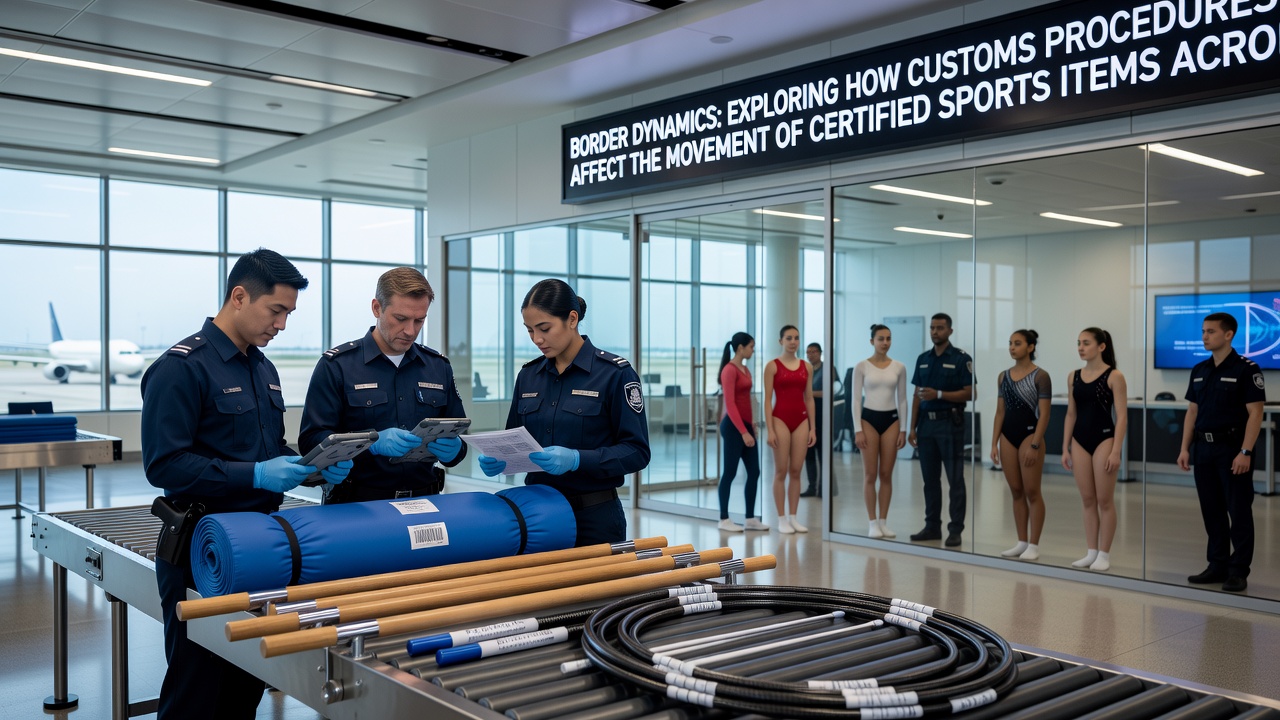
Those involved in cross-border transactions frequently encounter currency conversion requirements and insurance valuations that influence final landed costs. Reports from academic studies on secondary markets indicate that these added expenses can shift bidding patterns on digital exchanges, prompting participants to favor domestic sellers or consolidated shipments that amortize fixed clearance fees across multiple items.
Processing Timelines and Marketplace Effects
Clearance durations fluctuate with inspection intensity, seasonal volume spikes, and the presence of restricted substances in packaging materials. Records maintained by logistics providers demonstrate that certified items passing through high-traffic hubs during peak auction seasons experience average delays of three to ten business days beyond standard mail transit. Platforms that aggregate seller data have tracked corresponding drops in international listing activity when clearance windows extend, as participants adjust expectations around delivery commitments.
Regional variations appear in how agencies handle discrepancies between declared and appraised values, with some offices accepting third-party grading reports as primary evidence while others require physical examination. Industry associations representing collectibles traders have compiled comparative tables showing that streamlined electronic pre-clearance programs reduce these variances and support steadier inventory flows between North American and European marketplaces.
Conclusion
Customs procedures shape the availability and pricing of certified sports items by imposing classification rules, documentation standards, and cost structures that differ across borders. Trade data and regulatory updates scheduled for 2026 continue to refine electronic tracking methods, while established practices around valuation and authentication remain central to efficient movement through global exchange networks.