Authentication Timelines: Their Influence on Rookie Card Values in Trading Forum Discussions and Auction Results
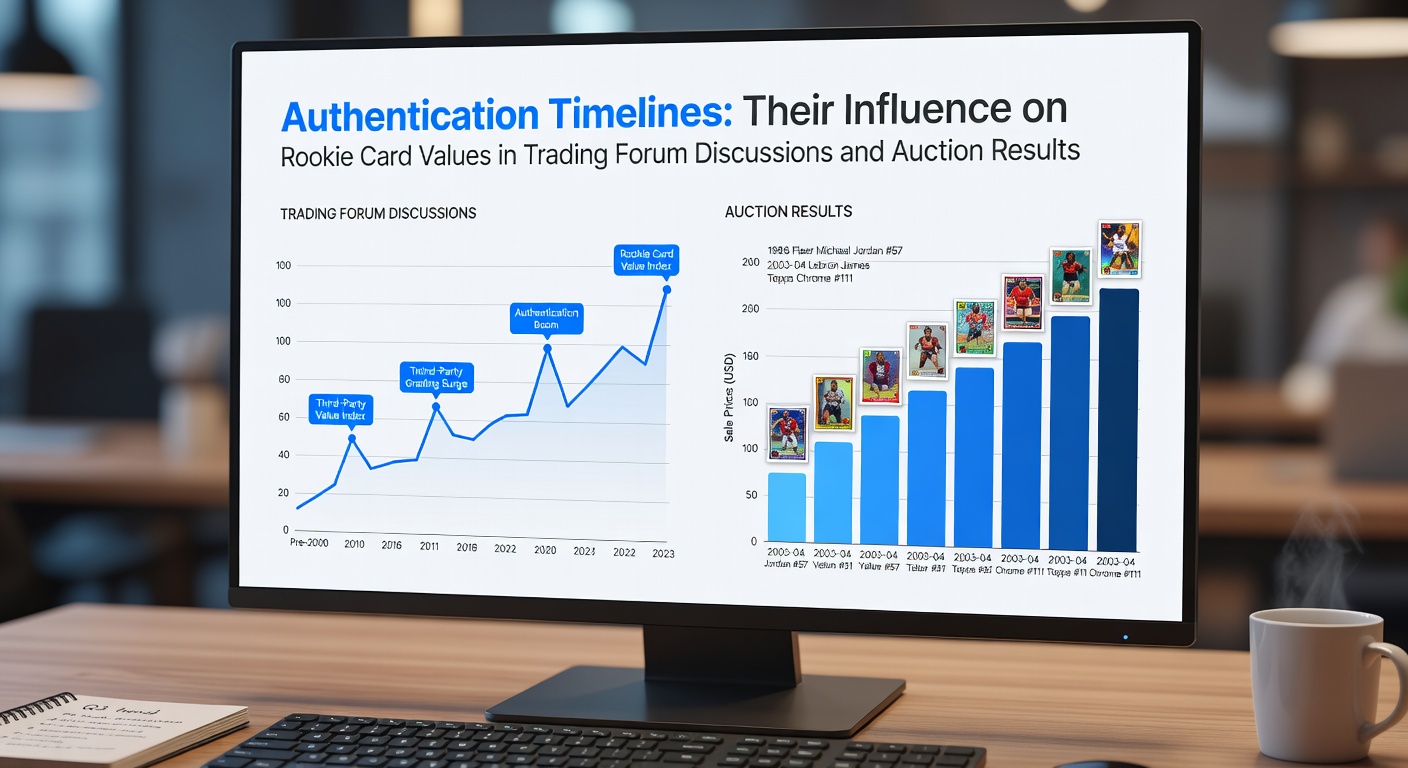 Authentication processes for rookie cards involve multiple verification stages that include submission intake, physical examination, grading, and encapsulation, each contributing to overall turnaround durations reported by major services. Data from industry tracking shows these timelines fluctuate based on submission volumes, with peaks occurring during periods of high market activity such as the months following major player milestones or set releases. Observers note that extended processing periods often coincide with shifts in perceived scarcity within trading communities, where collectors monitor forum threads for updates on specific submissions. Trading forums serve as primary venues for sharing authentication status reports, and participants frequently reference service announcements about backlog reductions or increases. In May 2026, several networks documented average turnaround times extending beyond 45 business days for standard submissions, prompting discussions about how delays intersect with upcoming auction schedules. These conversations typically highlight correlations between verified card arrivals and subsequent pricing adjustments, with users posting screenshots of service dashboards to support their observations.
Processing Stages and Market Timing
Grading companies break authentication into sequential phases that begin with receipt confirmation and progress through authenticity checks, condition assessment, and final labeling. Researchers tracking these workflows have identified that bottlenecks at the examination stage tend to extend overall durations, particularly for high-demand rookie items from recent sets. Auction houses align their event calendars with anticipated return dates from grading services, creating windows where ungraded or pre-authenticated cards enter bidding pools ahead of verified counterparts.
Forum moderators compile monthly summaries of authentication data, and these aggregates reveal patterns such as seasonal spikes that align with trade deadlines or championship series. Collectors reference these summaries when planning submissions, adjusting strategies to account for projected completion dates that might overlap with peak auction seasons.
Forum Discussions on Value Fluctuations
Participants in trading forums analyze authentication timelines by comparing historical turnaround statistics against current submission trends, often citing service reports that detail daily processing capacities. Threads from early 2026 illustrate how prolonged waits for rookie card verification led to temporary dips in active listings, followed by surges once batches returned to owners. Data shared in these spaces includes side-by-side comparisons of sale prices for identical cards authenticated at different intervals, highlighting measurable differences tied to availability timing.

Community members cross-reference forum posts with public auction archives to identify instances where cards authenticated within shorter windows achieved higher hammer prices due to fresher market entry. According to records maintained by regional trading associations, such patterns appear consistently across multiple sports categories, with basketball and baseball rookies showing pronounced sensitivity to verification delays.
Auction Results and Timeline Correlations
Live auction platforms publish results that include authentication dates alongside final sale figures, enabling analysts to map timeline influences on realized values. Studies from academic institutions examining collectibles marketplaces indicate that cards returning from authentication during low-volume periods often command premiums compared to those processed amid heavy submission waves. In May 2026 auction cycles, several high-profile rookie lots closed at levels reflecting recent verification completions, with bidders factoring processing histories into their strategies.
Industry organizations such as the International Collectors Consortium compile quarterly datasets that connect authentication durations to secondary market performance, and these figures show gradual value stabilization once cards achieve verified status. Auction houses incorporate these insights when setting estimates, adjusting projections based on observed correlations between return dates and buyer interest levels.
Regional Variations in Verification Impact
Geographic differences emerge in how authentication timelines affect rookie card values, with North American services reporting distinct patterns from those documented in European and Asian markets. Canadian trade groups track cross-border submissions and note that international routing can add weeks to standard processes, influencing pricing in global auction environments. Forum participants from various regions share localized data, revealing how currency fluctuations and shipping logistics compound timeline effects on final auction outcomes.
Evidence from marketplace reports demonstrates that cards authenticated through expedited channels frequently appear in results with compressed timelines between grading and sale, whereas standard submissions align with broader market cooling periods. Those monitoring these metrics use the information to anticipate listing volumes and adjust participation accordingly.
Conclusion
Authentication timelines shape rookie card values through their interplay with forum information flows and auction scheduling, as evidenced by aggregated data from multiple sources. Continued monitoring of processing statistics alongside bidding results provides ongoing insights into these dynamics across trading communities.